

Atomic Habits Cheat Sheet: The Ultimate Step-by-Step Guide for Productivity & Success
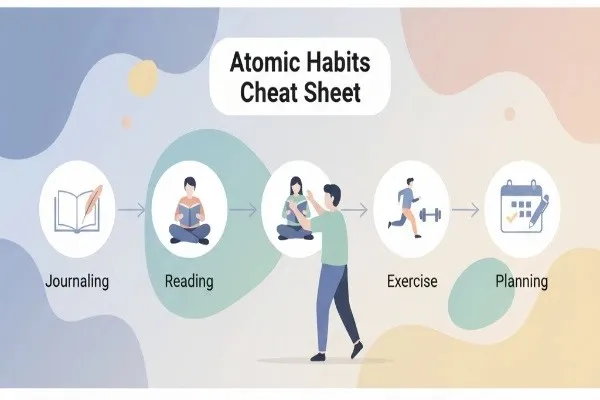
Table of Contents
Introduction – Why an Atomic Habits Cheat Sheet Matters
When people hear the term Atomic Habits, they think of big changes or major life transformations. But the truth is that the philosophy behind Atomic Habits is extremely simple, you know small changes create big results when done consistently over time. That is exactly why the Atomic Habits Cheat Sheet exists to turn complicated ideas into simple, daily, actionable steps that anyone can follow. You know in our busy world, people do not always have time to read the whole book or watch hours of motivational videos, but they still want a powerful system that helps them become more focused, productive, and successful. This cheat sheet gives you that system in a small, quick, and practical format.
A cheat sheet is more than a summary rather we can say it is a roadmap. It tells you exactly what to do, how to do it, and how to stay consistent. And if you truly want to improve your productivity and habits, you need a guide that fits into your daily life. Think of this Atomic Habits Cheat Sheet as your personal productivity partner, it reminds you of what matters, keeps you accountable, and it helps you grow without feeling overwhelmed. Even if you have tried to improve your habits before and failed, this guide will help you restart with clarity and confidence.
Most people fail not because they have lack motivation, but because they lack a system. This cheat sheet gives you that system simple enough to follow and also powerful enough to transform your life and future. So, let’s begin this journey toward a more productive, successful, and disciplined one of yourself.
What Makes Atomic Habits So Powerful – A Simple Breakdown in the Atomic Habits Cheat Sheet
The reason Atomic Habits Cheat Sheet works perfectly because it focuses on identity change, not just habit change. Most people say “I want to lose weight,” “I want to wake up early,” or “I want to study more.” But this approach sometimes works because the goals are external. Atomic Habits teaches the opposite: instead of focusing on what you want, you focus on who you want to become. When identity changes, habits follow naturally.
For example, instead of saying “I want to read more,” we can say “I am a reader.” Instead of “I want to get fit,” we can say “I am a healthy person.” When your identity shifts, your brain supports your new behaviour automatically. This small psychological shift has a massive impact because your actions now align with your self-image.
Another reason Atomic Habits is so powerful is because it breaks every behaviour down into small, manageable steps. Most people fail because they try to do too much too quickly strict diets, 2-hour gym sessions and studying 5 hours a day, etc. But the Atomic Habits Cheat Sheet encourages the opposite like start some small, stay consistent, and let momentum grow. Once you build momentum, the habit becomes easier, automatic, and eventually part of your identity.
This cheat sheet is more powerful because it removes all confusions. It gives you more clarity, confidence and direction. Instead of guessing what to do, you know exactly which step comes next.
The Core Philosophy Behind Atomic Habits in This Cheat Sheet
The entire Atomic Habits Cheat Sheet is built on one powerful truth as small habits, repeated for consistently, create extraordinary long-term results. James Clear explains that habits are the compound interest of personal development. Just like money multiplies when invested over time, your habits also multiply as you repeat them.
You know the philosophy is simple:
- Small habits → Better daily actions → Better decisions → Better outcomes → Better life
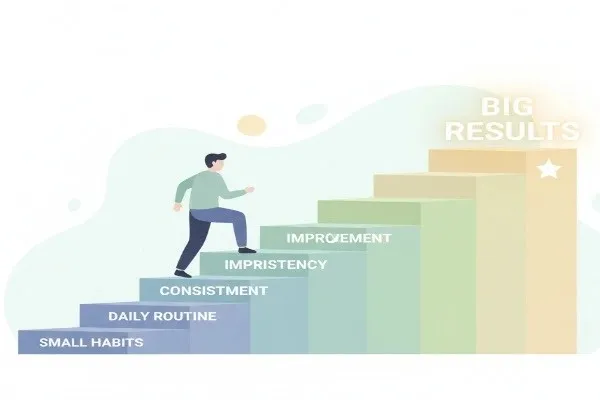
Most people underestimate the power of 1% improvement every day life. If you improve just 1% daily, by the end of the year you are 37 times better than when you started. That is the magic of compounding. But this only works when your habits are small enough to do even on your laziest or busiest days.
The cheat sheet also focuses on removing friction. You don’t need any person for motivation every day. You don’t need willpower all the time. You only need a system that makes good habits more easy and bad habits difficult. This philosophy is the backbone of every step in this guide.
With the right mindset and tiny improvements, anyone can achieve massive success and growth.
Understanding the Power of Small Improvements in Your Atomic Habits Cheat Sheet
In this part of the Atomic Habits Cheat Sheet, we focus on the idea that small improvements, when practiced consistently, create massive transformation. This concept may sound simple, but it is one of the most life-changing principles you can apply. Most of us fall into the trap of chasing big results, extreme dieting, sudden productivity boosts, and all-night study sessions, but these dramatic efforts rarely last. Why? Because they depend on high energy, high motivation, or strong discipline. And humans simply cannot maintain high motivation every day.
Small improvements, or “atomic habits,” solve this problem beautifully. When you make a tiny change like reading one page, walking for five minutes, writing for two minutes, or cleaning a single corner of your room, this effort required is almost zero. This makes the habit easy to start and easy to continue. Once you start, momentum builds naturally. One page turns into two or more. Five minutes turn into thirty minutes or more. Two minutes of writing turn into a full article. This slow and steady growth is what shapes long-term success.
The Atomic Habits Cheat Sheet is designed to help you apply this principle daily. You won’t feel pressure, you won’t feel overwhelmed, and you won’t feel like you are failing. Instead, you will feel successful every day because you are taking consistent small actions. These small wins build confidence, increase discipline, and create a powerful sense of identity.
Every small step matter, because small steps compound. Just like 1 rupee saved daily can become lakhs over time, tiny habits can build an extraordinary life. This is the real power of atomic habits.
May you read:– Best Morning Habits for Success – Transform Your Life Every day in 2025
The Four Laws of Behaviour Change in the Atomic Habits Cheat Sheet
The entire Atomic Habits Cheat Sheet is built with the Four Laws of Behaviour Change. The simplest and most effective framework for building good and productive habits and breaking bad ones. These laws turn habits into an easy, repeatable system that works for students, homemakers, entrepreneurs, professionals, and literally anyone who wants to improve their life.
Here are the four laws: –
- We can make it Obvious
- We can make it Attractive
- We can make it Easy
- We can make it Satisfying
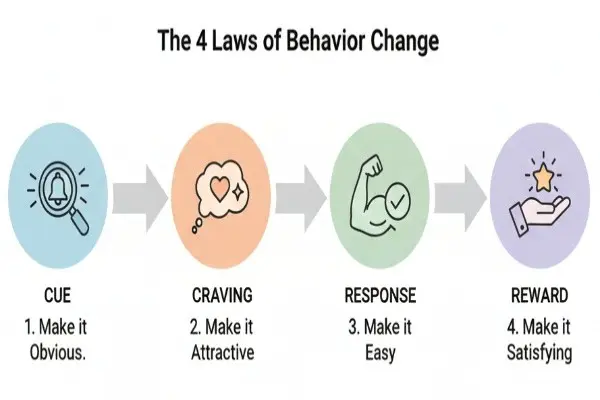
Every good habit becomes strong when these four laws are applied. And every bad habit becomes weak when we reverse these laws. This cheat sheet helps you break down each law into practical steps that can fit your daily schedule.
For example, if you want to build a habit of reading, you can make it obvious by placing a book on your pillow. You can make it more attractive by choosing a book you are excited about. You can make it easy by reading only one or two pages. And you can make it satisfying by tracking your progress or celebrating small wins.
When all four laws align in proper way, habits feel more natural, almost effortless. You don’t have to push yourself and also don’t fight your brain. Instead, your mindset, your environment, and your systems support the habit. This is why Atomic Habits is not just motivation it is science-based behaviour change made simple.
Cue – How Habits Start (Atomic Habits Cheat Sheet Breakdown)
The first law of the Atomic Habits Cheat Sheet is Make it Obvious, which starts with the concept of the cue. Cue is types of a signal, which triggers a habit. For example:
- Picking up your phone triggers social media scrolling
- Feeling bored triggers snacking
- Seeing your bed triggers sleepiness
- Seeing workout clothes triggers exercise
Most people fail to build good habits because they rely on motivation instead of cues. Motivation is unreliable, but cues are consistent and powerful. Your brain loves patterns. If you give it a clear cue, it will respond automatically. This cheat sheet teaches you how to design cues intentionally so your habits activate without effort.
One of the best tools for cues is habit stacking
“After I do ___, I will do ___.”
Example: After I drink morning juice, I will read one page.
This structure makes habits automatic because your brain links them together. If more obvious the cue, the stronger the habit. You can also use visual cues, such as keeping a water bottle on your desk, placing your running shoes near the door, or setting reminders on your phone.
If you master cues, after that you master habit initiation. And once the habit starts, completing it becomes much easier.
Craving – Why You Do What You Do (Atomic Habits Cheat Sheet Insight)
The second step in the Atomic Habits Cheat Sheet is to understand cravings. A craving is the internal desire that motivates you to act. You don’t crave the habit; you crave the state the habit gives you.
Example:
- You don’t crave brushing teeth — you crave a clean mouth
- You don’t crave reading — you crave knowledge or peace
- You don’t crave exercising — you crave fitness or confidence
Cravings drive your behaviour. If a habit doesn’t feel attractive or rewarding, you won’t feel motivated to do it. That’s why James Clear teaches us to make good habits attractive. This cheat sheet includes several tools to make your habits more appealing. One effective method is temptation bundling, pairing something you want to do with something you need to do.
Example: Listen to your favorite music only while cleaning.
This makes the habit fun, enjoyable, and easy to repeat. Another method is reframing your mindset. Instead of saying “I have to exercise,” you can say “I get to exercise because I want a healthy life.”
Cravings can change your entire life when used correctly.
Response – Taking Action with the Atomic Habits Cheat Sheet
Action is where everything changes. In the Atomic Habits Cheat Sheet, the third law, make it Easy, focuses entirely on reducing friction so taking action becomes the natural choice. The truth is, people don’t fail because they’re lazy; they fail because their systems expect too much willpower. When a task feels big, difficult, or time-consuming, the brain resists. But when something feels small and doable, the brain says “yes” automatically.
To take consistent action, break your habits into the smallest possible forms. Want to write daily? Start with five sentences. Want to meditate? Begin with one minute. Want to study? Open your book and read a paragraph. This “two-minute rule” from the Atomic Habits Cheat Sheet transforms overwhelming goals into easy wins. You know once you start, your brain naturally wants to continue, called the starting momentum effect.
Another powerful tool is environment design. Instead of trying to force discipline, change your surroundings. Keep healthy snacks visible, hide junk food, place your journal on your table, keep your phone away when you are working, and set up your workspace for focus. Your surroundings should support the habits you want, not the habits you’re trying to avoid.
Finally, use visual trackers, calendars, checklists, or habit apps. Checking off a task releases dopamine, which makes the habit satisfying and encourages repetition. Action becomes easier when it feels rewarding. That’s the core message of this section of the Atomic Habits Cheat Sheet make things in easier, remove friction, and celebrate your progress.
Reward – Why Finishing Your Habit Matters (Atomic Habits Cheat Sheet Principle)
The fourth law, make it Satisfying. It is essential to maintaining habits long-term. In the Atomic Habits Cheat Sheet, the concept of rewards is explained as the glue that keeps habits alive. mankind naturally repeat behaviours that feel good. If the end of your habit gives you a sense of success, your brain wants to experience it again.
Rewards don’t need to be big. They only need to be consistent. For example:
- If you finished your workout, enjoy a cold refreshing drink
- After studying, you can mark your progress on a habit tracker
- After cleaning, you can light a scented candle
- After writing, you can listen to your favourite song
These small rewards signal to your brain: “This is good job, do this again.” And over time, your identity shifts. You stop saying “I am trying to exercise” and start saying “I am a person who exercises.” This identity transformation is the deepest layer of the Atomic Habits Cheat Sheet.
Another key concept is the importance of immediate rewards. Long-term goals like losing weight, earning money, or gaining knowledge may take months. If you rely only on long-term results, you’ll lose motivation. Immediate rewards fill this gap by reinforcing positive behaviour instantly.
Rewards turn effort into enjoyment, and enjoyment turns habits into a lifestyle.
Identity-Based Habits in the Atomic Habits Cheat Sheet
Most habit guides focus on what you need to do. But the Atomic Habits Cheat Sheet focuses on who you need to become. This is called identity-based habit building, and it is the most powerful transformation tool in the entire book. When you build habits based on identity, your actions align with the kind of person you want to be, not just the goals you want to achieve.
Goals are about results.
Identity is about your beliefs.
For example:
- Goal – “I want to read 20 books.”
- Identity: – “I am a reader.”
- Goal: – “I want to lose weight.”
- Identity: – “I am a healthy person.”
- Goal: – “I want to save money.”
- Identity: “I am financially responsible.”
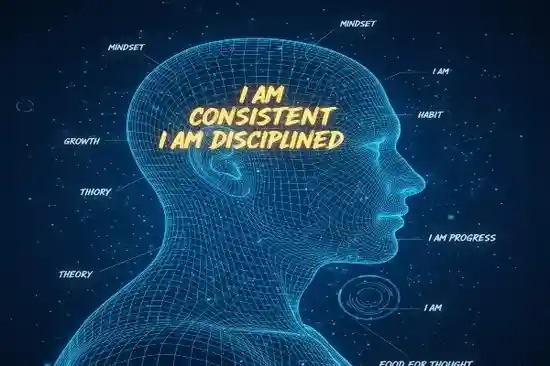
Identity-based habits last longer because they are anchored in who you are becoming. Every small habit you complete is a vote for your new identity. When you read one page, you prove you are a reader. When you meditate for one minute, you prove you are a calm and mindful person. When you save ₹10, you prove you are responsible.
The Atomic Habits Cheat Sheet helps you create identity-driven routines using simple frameworks, daily cue, and habit reflection questions. If once your mindset shifts, actions naturally follow. You no longer force discipline. discipline becomes part of who you are. That is the real magic of atomic habits.
Habit Stacking Formula from the Atomic Habits Cheat Sheet
One of the most practical tools in the Atomic Habits Cheat Sheet is the habit stacking method. This technique attaches a new habit to an existing one, like linking two train coaches. Because your existing habit is already automatic, it pulls the new habit along with it.
The formula is simple:
“After I [current habit], I will [new habit].”
Example stacks:
- After I brush my teeth → I will drink a glass of water
- After I sit at my desk → I will plan my top 2 tasks
- After I finish lunch → I will walk for 5 minutes
- After I unlock my phone → I will read one or two motivational quotes
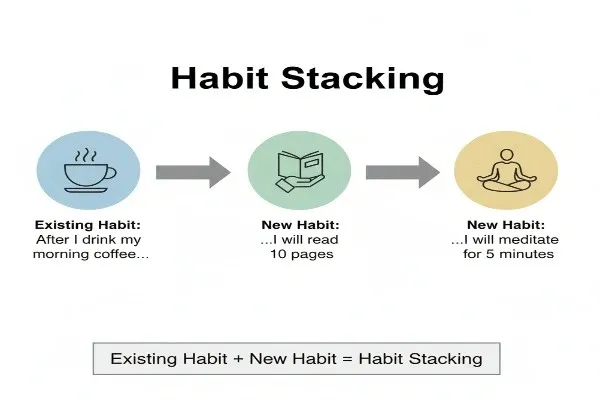
Habit stacking works because it uses your brain’s natural pattern-recognition system. Your routine becomes predictable, and predictability makes habits easier to maintain.
This system is especially useful for busy people like students, professionals, homemakers. who feel they don’t have enough time. Instead of adding new tasks, you simply attach micro-habits to tasks you already do. The Atomic Habits Cheat Sheet expands this into multiple stack chains (morning stack, work stack, night stack) so your entire day flows smoothly with minimal effort.
The Two-Minute Rule Explained (Atomic Habits Cheat Sheet Framework)
The Two-Minute Rule is one of the most powerful techniques in the Atomic Habits Cheat Sheet, designed to eliminate procrastination instantly. It states:
Any habit should be reduced to a version that takes two minutes or less.
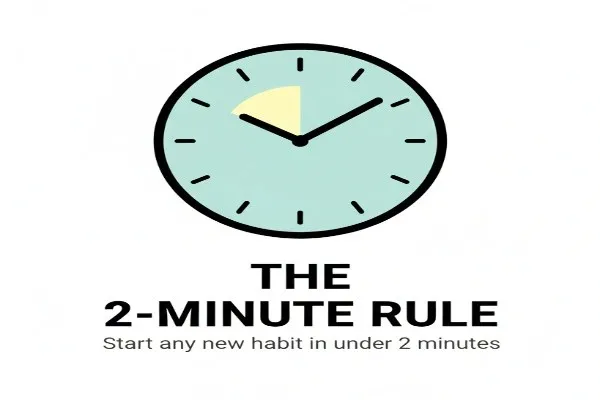
Why does this work?
Because starting is the hardest part. Once you start, your brain naturally wants to continue. Read one page → you’ll read ten. Put on your running shoes → you’ll walk five minutes. Open your laptop → you’ll write for twenty minutes.
Many people assume small habits are too insignificant, but that’s the secret: small habits create consistency, and consistency creates mastery. Big goals are achieved through tiny beginnings.
The Two-Minute Rule is the heart of this cheat sheet, teaching you how to design habits that feel so easy you cannot refuse them. This builds lifelong consistency.
Habit Tracking and Accountability (Atomic Habits Cheat Sheet System)
One of the strongest pillars of the Atomic Habits Cheat Sheet is habit tracking — because what gets measured gets improved. When you track your habits daily, you create a visual story of your progress. Your brain loves clarity. A clean streak on your tracker gives you motivation. A break in the streak reminds you to realign. Tracking is not about perfection; it’s about awareness. When you see your growth right in front of you, consistency becomes easier and relapse becomes harder.
Habit tracking also solves one big problem: self-deception. Many people believe they are working hard, but when they check their actual behaviour, they realize they’re inconsistent. A tracker forces honesty. You cannot improve what you avoid facing. Even one tick on a daily calendar becomes a promise kept, a moment of pride, a reminder that you are moving toward your identity-driven goals.
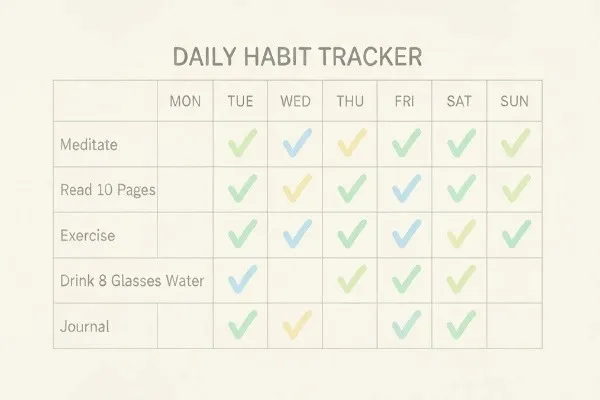
The Atomic Habits Cheat Sheet recommends five tracking formats: digital apps, printable charts, sticker systems, journals, and calendar chains. Each activates the brain differently. Some people love colourful stickers; others prefer digital reminders. Choose what excites you. excitement increases dopamine, and dopamine increases habit repetition.
Accountability is the second half of this system. When someone else knows your goals, like a friend, partner, coach, or accountability buddy then your consistency doubles. mankind naturally perform better when observed by anyone. Even light accountability (“send me a photo after your workout”) triggers discipline.
Environment Design – The Hidden Power in the Atomic Habits Cheat Sheet
Environment shapes behaviour more than motivation ever will. This is one of the deepest psychological truths highlighted in the Atomic Habits Cheat Sheet. People blame their lack of discipline, but often the real problem is their surroundings. Your environment either supports your habits or silently destroys them.
For example, if your phone sits next to you while studying, distraction is inevitable. If snacks lie on the table, junk eating is guaranteed. If your workspace is messy, procrastination feels natural. But when you reverse the environment, you reverse the behaviour. Keep only the essentials on your table and your mind becomes focused. Keep your workout clothes visible and workouts become automatic. Organize your kitchen for healthy eating and nutrition becomes effortless.
The Atomic Habits Cheat Sheet teaches three major environment rules:

- Make good habits obvious – place cues where you can see them
- Make bad habits invisible – remove triggers from your surroundings
- Redesign spaces for purpose – study area for focus, bed for sleep, kitchen for healthy eating
These changes look small, but they create huge results. Your brain follows the path of least resistance. If the environment supports your goals, your habits become a natural extension of your daily life. You don’t have to force yourself for improvement. you grow automatically.
Breaking Bad Habits Using the Atomic Habits Cheat Sheet
Good habits change your life, but breaking bad habits transforms your future. The Atomic Habits Cheat Sheet provides a complete roadmap to eliminate destructive patterns using the “Inverse Laws of Behaviour Change.” These laws flip the habit-building process backward:
- Make the cue invisible
- Make the craving unattractive
- Make the action difficult
- Make the reward unsatisfying
For example, if you spend too much time on your phone, keep it in another room while working. If you want to stop eating junk food, don’t buy it in the first place. If you want to stop overspending, delete shopping apps and freeze impulse purchases.
The cheat sheet also recommends “habit replacement” instead of “habit removal.” When you simply eliminate a habit, a void is created. That void often pulls you back into the same behaviour. But when you replace the habit like reading instead of scrolling, drinking water instead of snacking, or journaling instead of gossip, the void becomes a growth space.
A powerful tool mentioned is temptation bundling. Link an unhealthy craving with a productive action. For example:
- Watch Netflix only while walking on a treadmill
- Drink your favorite cold coffee only after finishing your study goal
- Listen to music only when completing chores
These strategies make breaking habits easier, more structured, and more achievable. The Atomic Habits Cheat Sheet turns behaviour change into a science, not a struggle.
The Compound Growth Effect (Atomic Habits Cheat Sheet Success Principle)
This section of the Atomic Habits Cheat Sheet explains why tiny habits create extraordinary success. Humans underestimate the power of small improvements because they expect instant change. But real success is slow at first, then unstoppable. It follows a compounding curve, just like money in a bank account.
If you improve by 1% daily, you become 37X better in one year. That is the mathematics of compounding. Most people quit early because they don’t see immediate results. But the breakthrough happens after consistent effort, the “valley of disappointment” eventually becomes the “curve of explosive growth.”
The cheat sheet emphasizes that every small action like every page read, every workout done, every minute of meditation is not just an activity but an investment. You are building a future version of yourself. And that version is becoming stronger every single day, even if you cannot notice it yet.
Compounding also works in reverse. Skipping habits also compounds, one day missed becomes one week, one unhealthy choice becomes a pattern, and one distraction becomes a lifestyle. That’s why the cheat sheet stresses:
- Never miss twice
- Always return quickly
- Always focus on being 1% better
Compounding turns average people into high achievers, and high achievers into extraordinary performers. This principle alone can transform your life permanently.
Building the 12-Month Roadmap (Atomic Habits Cheat Sheet Goal Planner)
The Atomic Habits Cheat Sheet becomes truly powerful when you extend its principles into a 12-month roadmap. Most people set yearly goals, but very few achieve them because goals without systems are just wishes. A roadmap transforms your wishes into reality through structured action.
Start by dividing the year into four quarters. Each quarter represents a clear “theme” instead of a vague list of resolutions. For example: Q1- may be productivity and focus; Q2- may be fitness and health; Q3- may be skill-building; Q4- may be financial empowerment. When you give each quarter a theme, your brain locks into a single direction, avoiding overwhelm.
- Next, break down each quarter into monthly habit targets. For example:
- January — build morning routine
- February — deepen learning habit
- March — strengthen consistency with Habit Tracking
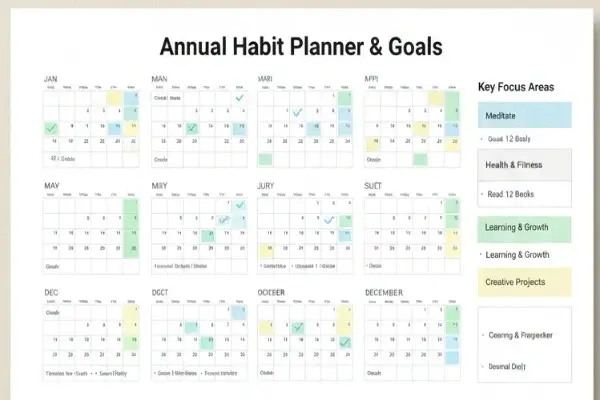
Then, break each month into weekly action steps. Weekly goals are the true engine of habit success. They give you micro-wins that accumulate into big results. The Atomic Habits Cheat Sheet recommends weekly check-ins every Sunday, where you review wins, notice gaps, adjust strategy, and realign with your identity.
Most importantly, include “identity milestones” in your roadmap. This could be:
- “I am now a person who reads daily.”
- “I am now a person who wakes up with purpose.”
- “I am now a person who works without procrastination.”
Identity change is the strongest habit engine. When your identity shifts, your behaviour automatically upgrades. This 12-month roadmap turns your entire year into a disciplined, powerful journey of transformation.
Overcoming Resistance and Self-Sabotage (Atomic Habits Cheat Sheet Mindset Fix)
Every person, no matter how motivated, faces resistance. It’s human nature. Your brain prefers comfort over growth. That’s why you hesitate before a workout, procrastinate before starting work, or feel mentally tired even when tasks are small. The Atomic Habits Cheat Sheet offers a complete psychological method to break resistance.
The first technique is the 2-Minute Action Rule. Make the first step so small that your brain cannot refuse. Instead of “study for 1 hour,” say “study for 2 minutes.” Instead of “write 1 article,” say “open the document.” This removes mental friction and builds momentum.
The second technique is Self-talk reframing. Most people unknowingly use language that sabotages them: “I’m lazy,” “I’m not focused,” “I always mess up.” The cheat sheet encourages identity-supporting language like:
- “I’m becoming consistent.”
- “I choose progress today.”
- “I control my actions, not my excuses.”

The third technique is Implementation Intentions, which means planning your habit with exact details:
“I will read at 9 PM in my bedroom for 10 minutes.”
“I will walk at 6 AM at the park for 20 minutes.”
When the brain receives specific instructions, resistance reduces dramatically.
Finally, the cheat sheet advises compassion. Self-sabotage increases when you judge yourself harshly. Treat yourself like someone you’re responsible for supporting. Progress grows in a kind, encouraging environment. With these tools, resistance becomes manageable, and consistency becomes natural.
Real-Life Transformation Using the Atomic Habits Cheat Sheet (Case Studies & Success Patterns)
This section proves how powerful tiny habits really are. The Atomic Habits Cheat Sheet summarizes patterns from real achievers like students, professionals, homemakers, entrepreneurs, who transformed their lives through simple daily systems. Their stories show what is possible when discipline becomes identity.

A student struggling with concentration improved his grades by using the 2-minute rule. He studied for 2 minutes daily at first, then naturally extended it to 45 minutes. A woman who always procrastinated built a morning ritual using habit stacking: wake up → drink water → journal → plan her day. Within 90 days, she felt mentally lighter and more focused.
An entrepreneur used the “environment design” rule by turning his room into a productivity zone, removing the TV, keeping his laptop visible, and organizing his desk. His work hours doubled without stress. A fitness beginner used accountability and tracking, sending daily progress messages to a friend. She lost weight and built stamina effortlessly
All these stories share one truth: Small habits create big identities. Big identities create big results.
The cheat sheet emphasizes that anyone, absolutely anyone, can change their life with tiny steps. You don’t need motivation. You don’t need perfection. You just need consistency and alignment.
These transformation stories remind us: habits are not about what you do; they are about who you become.
FINAL THOUGHTS — The Ultimate Atomic Habits Cheat Sheet Summary
The Atomic Habits Cheat Sheet is more than a productivity guide. It is a life blueprint. It shows that success is not created by massive effort but by consistent micro-actions that shape your identity. When you master cues, stacking, tracking, environment design, and identity-based habits, you unlock unstoppable momentum.
Your future is built in the small moments:
- The page you read today
- The workout you do today
- The positive thought you choose today
- The decision to try again today
These tiny acts multiply. They compound. They shape the strongest, most powerful version of you.
You don’t need to change your life overnight.
You just need to begin today with one small, powerful habit.
May you like:- Overcoming Failure: 7 Powerful Ways to Bounce Back Stronger




Pingback: Skills to Earn 50,000 Per Month in India | Best High-Income Skills
Pingback: What is Digital Marketing? A Complete Beginner’s Guide to Learn, Earn & Grow Online - Richa Inspires – Motivation & Self Growth Blog
Pingback: डिजिटल मार्केटिंग क्या है? कैसे काम करती है ? और पैसे कैसे कमाए - Richa Inspires – Motivation & Self Growth Blog