

10 Money Habits That Improve Productivity and Financial Freedom in 2025

Table of Contents
Introduction: Why Smart Money Habits Boost Your Entire Life
When we talk about improving productivity and financial freedom, strong money habits become the foundation that shapes long-term stability. If you look closely at people who manage money well, you’ll notice something interesting. They are often more focused, calmer, and productive in every area of life. Why? Because financial clarity gives you mental clarity. When your money is in control, your mind stops running in ten directions. You work with more confidence, handle stress better, and make sharper decisions.
Building money habits in 2025 isn’t just about saving more or earning more; it’s about creating a lifestyle where your finances support your growth instead of limiting it. The truth is, most people struggle with money not because they don’t earn enough, but because they never learned how to use their money wisely.
These 10 habits will help you take full control of your financial life while improving your productivity, focus, and overall freedom. Let’s begin.
Track Where Your Money Actually Goes
One of the most important money habits is understanding where your income truly goes every month. One of the biggest reasons people feel “broke” or financially stressed is not low income… it’s not knowing where their money is going.
Most people THINK they know how they spend but the truth is different.
When you start tracking every rupee honestly, you’ll be shocked to see how much money disappears on small, unnecessary things.
That’s why tracking your spending is one of the most powerful money habits you can develop.
It gives you clarity, control, and confidence.
It shows you the reality not assumptions.
→ Why Tracking Your Spending Matters So Much (Money Habits)
1. You stop living in guesswork
Many people say:
“I don’t spend much…”
but their bank account says the opposite.
Tracking makes everything clear. You KNOW what’s happening.
2. You see your “money leaks” instantly, tiny expenses add up fast:
- daily snacks
- random online shopping
- food delivery
- subscriptions
- auto/OLA rides
- small impulsive buys
These small expenses look harmless, but together they quietly consume ₹3,000 to ₹10,000 every month.
Tracking exposes these hidden leaks immediately.
3. You gain control over your financial behaviour
When you track something, your brain automatically becomes more careful.
You think twice before spending.
You make conscious decisions instead of emotional ones.
4. You save more WITHOUT trying
The moment you see your patterns clearly then you naturally start cutting down unnecessary spending.
This happens automatically no pressure, no discipline needed.
May You Read: 7 AI Skills to Learn in 2026 That Can Grow Your Career Faster
→ How to Track Your Money the Right Way
There are three simple and effective methods. Use whichever suits your lifestyle.
Method 1: Use a Spending App (Easiest)
Use apps like:
- Walnut
- Money Manager
- Spendee
- Monefy
- Google Sheets (simple)
These apps auto-read SMS alerts and categorize your spending.
You don’t need to enter anything manually.

Method 2: Use a Simple Daily Notes System For Money Habits
Every time you spend money, write:
- Amount
- What you bought
- Why you bought it
This builds awareness and self-discipline.
Example:
₹120 – chai & snacks – because I was bored
₹350 – cab – because I didn’t plan time properly
₹400 – fast food – weekend treat
Within 10 days, you’ll clearly see patterns.
Method 3: Use the 50–30–20 Rule for Monthly Tracking
When you track monthly, divide your expenses into:
- 50% Needs
- 30% Wants
- 20% Savings/Investments
This gives you a bird’s-eye view of your financial health.
May You Like: What is Digital Marketing? A Complete Beginner’s Guide to Learn, Earn & Grow Online
What You Discover When You Track Honestly
People who start tracking usually realize these 4 things:
1. They spend more on “wants” than they thought.
Food delivery, online shopping, random outings you know these are the biggest money drains.
2. A big part of spending is emotional, not logical.
Sometimes we spend out of boredom, stress, or temporary excitement.
3. Most expenses can be reduced without affecting lifestyle.
Just reducing a few unnecessary habits can save thousands every month.
4. Money starts lasting longer naturally.
Tracking brings awareness. Awareness brings control.
→ Real Example (Very Common in India)
Imagine you earn ₹20,000 to ₹30,000 per month.
Without tracking, your money disappears fast.
When you track for 30 days, you might discover:
- ₹1,500 extra snacks
- ₹1,200 cab rides
- ₹800 subscriptions you don’t even use
- ₹2,000 food delivery
- ₹600 impulse buys
That’s ₹6,100 gone without realizing.
Now imagine saving this over 12 months:
₹73,200 saved in a year automatically.
This is the power of tracking.
→ The Real Transformation
Once you start tracking where your money actually goes…
you stop feeling confused.
You stop feeling broke.
You stop stressing about “Where did my money go?”
Instead, you feel:
- clear
- confident
- disciplined
- in control of your financial life
Tracking is not about restriction.
It’s about awareness.
And awareness creates financial freedom.
Create a Simple 50–30–20 Budget Rule For Money Habits
Among all practical money habits, the 50-30-20 method helps you manage expenses without stress.
If you want to take control of your money without using complicated spreadsheets or strict budgeting apps, the 50–30–20 rule is the easiest and most reliable method. It’s simple, practical, and perfect for anyone who wants to manage money without stress.
The 50–30–20 rule divides your monthly income into three clear categories:
50% Needs | 30% Wants | 20% Savings
“This framework is powerful because it gives you clarity without pressure and helping you understand how much you should spend, what you need to reduce, and how much you should actually save. ” Let’s break it down in a very easy and human way:
50% Goes to NECESSITIES (Must-Have Expenses)
These are things you cannot live without.
This includes:
- Rent
- Electricity & bills
- Medicine
- Internet
- Transportation
- Groceries
- Basic education expenses
- Essential household items
The goal is simple:
→ Try to keep your necessary expenses within half of your income.
For many people, this becomes an eye-opener because they realize that their “needs” are actually mixed with “wants.”
This category teaches you to separate real necessities from emotional spending.
If your necessities exceed 50%, that’s a sign you should reduce either your house rent, travel cost, or recurring bills gradually.
30% Goes to WANTS (Lifestyle Expenses)
This is the fun part, the things you enjoy but don’t necessarily need.
Examples:
- Eating out
- Shopping
- Movies
- Subscriptions
- Weekend trips
- Coffee outings
- Beauty products
- Entertainment
This is where most financial mistakes happen.
Without a rule, people overspend in this category and later feel guilty.
But with the 50–30–20 rule, you set clear boundaries:
→ Enjoy your life… but within 30% only.
This keeps your lifestyle balanced, not too strict, not too wasteful.
20% Goes to SAVINGS / INVESTMENTS / FUTURE YOU
This is the most important part of the rule.
The goal here is to build:
- Emergency fund
- Savings
- SIPs
- FD/RD
- Skill courses
- Retirement funds
- Financial security
- Money that grows for you
This 20% is what separates financially stressed people from financially confident people.
Even if you start with 10%, gradually increase it to 20% as your income grows.
This category is basically your future salary and the money that works for you even when you’re not working.
→ Why the 50–30–20 Rule Works So Well
1. It eliminates overthinking
No complicated maths.
2. It gives structure to your entire month
You always know how much goes where.
3. It prevents lifestyle overspending
Your fun money is controlled without feeling deprived.
4. It protects your savings
Because savings come FIRST, not last.
5. It makes money management simple
Even beginners can follow this without stress.
Example (Easy to Understand)
Suppose you earn ₹30,000 per month:
➤ 50% Needs = ₹15,000
Rent, groceries, bills
➤ 30% Wants = ₹9,000
Shopping, food delivery, outings
➤ 20% Savings = ₹6,000
SIP, emergency fund, skills investment
Within 90 days, you will see huge clarity in your spending habits.
→ How to Start the 50–30–20 Rule Today
Step 1: Write down your exact monthly income.
Step 2: Create three categories: Needs, Wants, Savings.
Step 3: Allocate money BEFORE you start spending.
Step 4: Track only once a week, no need daily.
Step 5: Adjust slowly instead of forcing yourself.
Within a month, you’ll feel lighter, more organized, and more in control of your financial life.
The Real Transformation
Once you apply the 50–30–20 rule consistently, you will:
- stop overspending
- reduce money anxiety
- save consistently
- enjoy guilt-free lifestyle
- build long-term financial strength
- stay more productive and focused
Money becomes a tool for your growth, not a source of stress.
Save Before You Spend (The Pay-Yourself-First-Money Habits)
“Save Before You Spend,” also known as the Pay-Yourself-First Habit, is one of the most powerful and reliable financial principles for building long-term wealth.
It simply means: whenever you earn money, save a portion first and then spend from what remains.
This approach prioritizes your future, your goals, and your financial stability before anything else.

Why is “Pay Yourself First” So Important?
1. Savings Become Automatic
Instead of thinking “I’ll save whatever is left,” you ensure the savings happen FIRST, before bills, shopping, or lifestyle expenses.
2. It Builds a Strong Financial Foundation
Emergency funds, investments, retirement savings all start growing consistently.
3. Controls Overspending
When savings are already set aside, you naturally learn to manage your lifestyle within the
remaining amount.
4. Accelerates Wealth Creation
Regular saving → regular investing → compounding → long-term growth.
How to Practice “Save Before You Spend” (Step-by-Step)
1. Choose a Fixed Percentage
Start with 10%–20% of your monthly income.
Example:
If you earn $1,000 per month → save $100–$200 immediately.
2. Make Savings the First Transaction
As soon as you receive your income, transfer your selected amount to:
- A separate savings account
- Investment funds (SIP/Mutual Funds)
- Emergency fund
- Retirement accounts
3. Automate the Process
Set up automatic transfers so the habit is consistent and effortless.
4. Plan Monthly Expenses After Saving
Budget your lifestyle after your savings have been secured.
5. Increase Your Savings Percentage Gradually
Every year, increase the percentage by 1–2% to build stronger financial discipline.
A Simple Example
Imagine your monthly income is $2,000.
If you save:
- 15% → $300 saved instantly
Remaining: $1,700 for all expenses
You secure your future without any stress or inconsistency.
Long-Term Benefits
1. Builds Wealth Over Time
Even $200/month invested consistently can grow significantly through compounding.
2. Reduces Financial Stress
You always know you’re preparing for emergencies and future goals.
3. Creates Discipline
Financial success depends more on habits than on income levels because this habit is foundation.
Build an Emergency Fund for Peace of Mind-Money Habits
Emergency savings is a core part of smart money habits that protect your financial future.
An emergency fund is a dedicated pool of money set aside specifically to handle unexpected financial situations.
It acts as a financial safety net, protecting you from stress, debt, and panic during uncertain times.
Building an emergency fund is one of the strongest pillars of financial stability.
→ What Is an Emergency Fund?
An emergency fund is money saved for genuine emergencies, such as:
- Sudden job loss
- Medical emergencies
- Home or car repairs
- Urgent travel
- Unexpected expenses that cannot be postponed
It is not meant for shopping, vacations, upgrades, or lifestyle expenses.
→ Why an Emergency Fund Is Essential
1. Reduces Stress and Anxiety
Knowing that you have money ready for emergencies brings mental comfort.
You don’t have to panic or ask for help when life throws surprises.
2. Protects You from Debt
Without an emergency fund, people often fall into:
- Credit card debt
- High-interest loans
- Borrowing from family or friends
An emergency fund helps you stay financially independent.
3. Helps You Handle Job Loss Smoothly
If your income stops unexpectedly, an emergency fund gives you breathing room
to search for a new job without desperation.
4.Keeps Your Long-Term Goals Safe
Without a backup fund, people often withdraw money from:
- Retirement accounts
- Investments
- Savings plans
An emergency fund ensures your future goals remain untouched.
How Much Should You Save?
Most financial experts recommend keeping:
→ 3 to 6 months of essential expenses
For example, if your monthly essential expenses are $1,000:
- 3-month fund → $3,000
- 6-month fund → $6,000
If your job is unstable, freelance-based, or if you support a family, aim for:
→ 6 to 12 months of expenses
→ Step-by-Step Guide to Build Your Emergency Fund
Calculate Your Monthly Essentials
Count only mandatory costs:
- Rent
- Food
- Utilities
- Transport
- Medical
- School fees (if any)
This will help you know how much you truly need.
Set a Practical Target
Start with a small milestone:
✔ First target: $200
✔ Next target: $500
✔ Then one month of expenses
✔ Then three months
✔ Ultimately 6+ months
Small steps → Big security.
Open a Separate Account
Keep your emergency fund away from your main spending account.
This prevents accidental spending.
Choose:
- A high-yield savings account
- A liquid fund
- A simple savings account with easy withdrawal
Never put this fund in risky investments.
Automate Your Savings
Set an auto-transfer right after payday.
Even $50–$100 per month can grow into a strong fund over time.
Add Extra Money When Possible
Boost your emergency fund with:
- Bonuses
- Tax refunds
- Freelance income
- Leftover monthly money
Every contribution helps it grow faster.
Use It Only for Real Emergencies
Ask yourself:
“Is this urgent, unexpected, and necessary?”
If the answer is yes, the fund is meant for it.
If no, avoid touching it.
→ How an Emergency Fund Gives Peace of Mind
✔ You gain confidence to handle life’s ups and downs
✔ You reduce financial stress
✔ You avoid debt traps
✔ You protect your family
✔ You stay focused on long-term goals
An emergency fund is like a financial seat belt .
you may not need it daily, but when you do, it can save you.
Learn One New Skill That Increases Your Income For Money Habits
One of the smartest money habits is investing in skills that help you grow your earning potential.
In today’s fast-changing world, learning a new skill is one of the smartest investments you can make in yourself.
A single high-value skill has the power to:
- Increase your income
- Improve your career opportunities
- Give you financial stability
- Help you start a side business
- Boost your confidence and independence
Whether you’re a student, employee, freelancer, or business owner, one skill can transform your earning potential.
→ Why Learning a New Skill Matters
The World Is Changing Fast
Technology, AI, automation, and digitalization are reshaping industries.
If you don’t upgrade, you fall behind.
Learning a new skill keeps you relevant and competitive.
High-Income Skills Create More Opportunities
Skills like digital marketing, sales, coding, editing, or design can open:
- Better job roles
- Side-income opportunities
- Freelance projects
- Business growth
Skills Bring Confidence
When you master a new skill, you gain confidence to take on bigger challenges
and asking for a higher salary becomes easier.
Skills Pay More Than Degrees
Degrees are important, but employers today value practical skills more.
A strong skillset directly increases your income potential.
→ What Kind of Skill Should You Learn?
Choose a skill that is:
✔ In demand
✔ Related to your interest
✔ Has earning potential
✔ Easy to start but powerful to grow
Here are examples of high-income skills:
Digital Skills
- Digital Marketing
- Graphic Design
- Video Editing
- Social Media Management
- Web Development
- SEO
- Copywriting
- AI Tools & Automation
Business & Career Skills
- Sales
- Negotiation
- Public Speaking
- Leadership
- Project Management
Freelancing Skills
- Content Writing
- UI/UX Design
- App Development
- Virtual Assistance
- Data Analysis
Learning any one of these can significantly increase your income.
→ How to Choose the Right Skill for YOU
Ask yourself:
- What skill has income opportunities in my country or online?
- What do I enjoy learning?
- What skill matches my personality like creative, technical, social?
- Can this skill help me earn within 3–6 months?
Pick the skill that fits all four answers.
→ How to Learn a Skill the Smart Way (Step-by-Step)
- Start with Free Resources
You can use:
- YouTube
- Beginner-friendly blogs
- Free courses
- Podcasts
Learn the basics without spending money.
2. Enrol in a Structured Course
Once you know the basics, take a proper course (paid or free) to gain structured learning.
This helps you learn faster, with clarity.
3. Practice Daily
Skills grow only through practice.
Even 30–60 minutes a day is enough to see progress.
4. Build a Small Project
Your first project doesn’t need to be perfect.
Create a:
- Simple website
- Logo
- Sales script
- Short video
- Social media design
This becomes your first portfolio piece.
5. Start Earning Small
Once you have basic skill + basic portfolio:
- Take small freelance work
- Help businesses near you
- Offer services on Instagram
- Join part-time projects
Even $5–$50 as a beginner is a great start.
6. Keep Improving
Every year, commit to learning a new level of the same skill:
- Beginner → Intermediate → Advanced
- Practice → Projects → Clients → Expertise
Mastery takes time, but each level increases your income.
→How One Skill Increases Your Income
✔ Higher Salary at Work
Employers value skill-based employees.
✔ More Clients if You Freelance
Better skills → Higher rates.
✔ Side Income Opportunities
You can earn outside your main job.
✔ Passive Income Potential
You can create digital products, courses, or templates.
✔ Freedom & Independence
Skills give you power to earn from anywhere.
▶ Final Message
Learning a new skill is not just about knowledge —
it is about unlocking new income opportunities.
Even one new skill can:
- Change your career
- Increase your earnings
- Give you confidence
- Provide financial security
- Help you build your future
Start small, stay consistent, and let one skill transform your life.

Reduce Impulse Spending by Waiting 24 Hours-Money Habits
This simple 24-hour rule is one of the most powerful money habits for anyone trying to gain control over their finances.
Impulse spending is one of the biggest reasons people struggle to save money. It happens when you buy something in the moment—because it looks attractive, feels exciting, or appears to be a “limited deal.” These small purchases seem harmless, but when they pile up month after month, they silently drain your income.
The 24-Hour Rule is one of the simplest and smartest ways to control this habit. The rule is easy:
▶ Whenever you feel like buying something suddenly, wait for 24 hours before making the purchase.
This short waiting period gives your brain enough time to shift from emotion to logic. Impulse purchases are emotional decisions, not rational decisions. But after 24 hours, the excitement fades, your mind becomes clear, and you can think more practically.
→ Why the 24-Hour Rule Works So Effectively
1. Your emotions settle down
Most impulse purchases happen because of temporary excitement. After a day, the desire becomes much weaker, and you can see the purchase for what it really is important or unnecessary.
2. You can judge the real value
During the 24-hour window, ask yourself:
- Do I truly need this?
- Will I still use it next month?
- Can this money be used for something better like savings or learning a skill?
This one question can save you thousands of rupees every month.
3. It protects you from FOMO tricks
“Limited stock left!”
“Sale ends in 3 hours!”
These lines are designed to make you panic and buy instantly. The 24-hour rule breaks this trap completely.
4. You avoid unnecessary credit card swipes
Impulse spending often leads to credit card debt, which creates stress later. Waiting 24 hours protects your money and your peace of mind.
5. It strengthens your decision-making power
Over time, this habit makes you a more mindful spender. You start buying intentionally, not emotionally.
The Simple 3-Step Method to Apply the 24-Hour Rule
Step 1: Add the item to your Wishlist, not your cart.
This immediately reduces the urge to “buy now.”
Step 2: Set a 24-hour reminder on your phone.
Label it: “Do I still want this?”
Step 3: Re-evaluate the next day.
Most of the time, you’ll realize you don’t actually need it.
If you still want it, think again:
“Can I afford it without guilt?”
This approach reduces 60–70% of unnecessary spending.
→ A Simple Real-Life Example
Imagine you see a beautiful planner online for ₹899. It looks tempting, and you almost buy it. But you apply the 24-hour rule.
Next day you realize:
- You already have a notebook.
- This purchase was just emotional.
- You’d rather save this money or use it for something meaningful.
Result: You save ₹899 instantly.
If this happens even 3 to 4 times a month, you save ₹2,000–₹4,000 easily.
→ The Bigger Impact
This 24-hour habit does more than save money.
It gives you:
- financial control
- clarity
- discipline
- confidence
- and long-term freedom
Once you master this simple rule, your spending becomes intentional, your savings grow naturally, and your money works for you not against you.
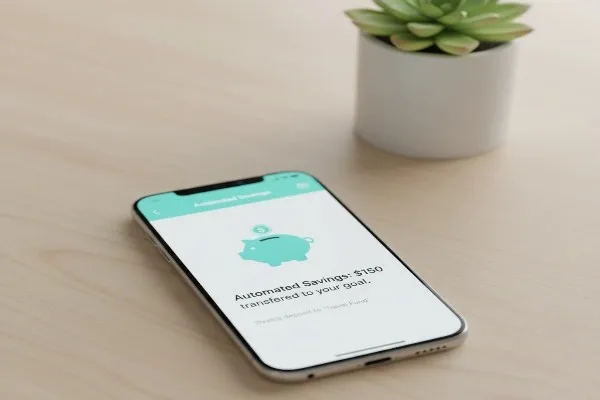
Automate Your Savings and Bills- Money Habits
Automation is a modern money habit that reduces stress and prevents financial mistakes.
Automation is one of the most powerful tools for achieving long-term financial stability.
When you automate your savings and essential bills, you remove stress, avoid late fees, build financial discipline, and ensure your money is used wisely without depending on willpower.
Automation makes money management simple, consistent, and effortless.
What Does “Automate Your Savings and Bills” Mean?
Automation means setting up automatic transfers and payments so that:
- Your savings move to your savings/investment account automatically
- Your essential bills are paid automatically
- You don’t have to remember dates, deadlines, or due amounts
This turns your financial system into a smooth, hassle-free process.
→ Why Automation Is Essential
1. Helps You Save Without Thinking
When savings happen automatically each month, you:
- Save consistently
- Don’t skip months
- Don’t rely on motivation
- Build wealth quietly in the background
It becomes a natural habit.
2. Prevents Late Fees and Penalties
Late payments on:
- Credit cards
- EMIs
- Rent
- Utilities
- Insurance
…can hurt your credit score and cost extra money.
Automation ensures everything is paid on time always.
3. Reduces Stress and Mental Load
You don’t have to track:
- Due dates
- Reminders
- Transfers
- Bills
Your financial system runs smoothly without mental effort.
4. Protects Your Budget
When bills and savings are automated first, you naturally spend only what is left.
This prevents overspending and keeps your budget healthy.
5. Helps You Grow Wealth Over Time
Automated transfers into:
- Savings
- SIPs
- Mutual funds
- Emergency fund
- Retirement accounts
…ensure consistent growth through compounding, even on small amounts.
→ How to Automate Your Savings (Step-by-Step)
1. Decide How Much You Want to Save Monthly
Out of all money habits, paying yourself first is the one that ensures consistent savings growth.
Use the Pay-Yourself-First rule:
Save 10%–20% of your income.
2. Set Up Automatic Transfers
As soon as your salary arrives:
- Auto-transfer money to your savings account
- Auto-invest in SIPs or recurring deposits
- Auto-top-up your emergency fund
Most banks and investment apps allow easy automation.
3. Separate Your Savings
Have a specific account for:
- Emergency fund
- Long-term savings
- Investment contributions
This ensures you don’t mix spending money with savings.
4. Review Every Few Months
Your income and expenses change.
Adjust your automated transfers accordingly:
- Increase savings
- Add new investment categories
- Adjust bill amounts
→ How to Automate Your Bills (Step-by-Step)
1. List All Your Monthly Bills
Common examples:
- Rent
- Electricity
- Water
- Phone and internet
- Credit card bills
- EMIs
- Insurance premiums
- Subscriptions (Netflix, Spotify, etc.)
2. Enable Auto-Pay Through Bank or App
Most platforms allow:
- Auto-debit
- Standing instructions
- Auto-pay via UPI or card
Choose “minimum payment” or “full payment” for credit cards depending on your situation.
3. Add Payment Alerts
Even if bills are automated, set alerts for:
- Payment success
- Low account balance
- Monthly statements
This keeps you in control.
4. Keep One Account Dedicated for Bills
Use one account where you:
- Keep bill money
- Enable all auto-payments
- Track monthly expenses easily
It keeps your finances clean and organized.
→ Extra Tips for Success
✔ Keep a Buffer Amount
Keep a small balance (like $50–$100) in your bill-payment account to avoid failed auto-debits.
✔ Review Subscriptions
Automation can also lead to paying for things you no longer use.
Review subscriptions every 3–6 months.
✔ Increase Automation as Your Income Grows
As your earnings rise, increase:
- Automated savings
- Automated investments
→ Long-Term Benefits of Automation
✔ Zero missed payments
✔ No late fees
✔ Smooth financial management
✔ Consistent saving habit
✔ Stress-free money handling
✔ Faster achievement of financial goals
Automation makes your money work for you quietly and reliably.
Spend Only on Things That Improve Your Life or Skills-Money Habits
Before buying anything in 2025, ask a simple question:
“Will this make my life better or improve my skills?”
This question alone can save you thousands. Instead of random shopping, invest in books, courses, tools, software, fitness, and education. Money spent on personal development always comes back multiplied.
Learn Basic Investing (Even If You Start Small)
Investing feels scary only until you learn the basics. Start small with SIPs, index funds, or beginner-friendly investment options. You don’t need to become an expert; you just need to start.
Investing builds long-term wealth, and watching your money grow gives you motivation to stay disciplined and productive in other areas too.

Set Monthly Financial Goals (Simple & Realistic)- Money Habits
Instead of dreaming about becoming rich someday, break your goals into small monthly targets. For example:
- Save ₹3,000 this month
- Invest ₹1,500 in SIP
- Learn one new skill for 30 days
- Reduce unnecessary spending by ₹500
Small goals create small wins. And small wins create massive momentum. This momentum improves your productivity, confidence, and financial stability.
Conclusion: Money Habits Build Both Wealth and a Better Life
Money is not just about numbers, it’s about mindset. The habits you build today shape your freedom, your future, and your everyday happiness. When you take control of your money, you also take control of your time, your focus, and your stress.
Start with one habit from this list and practice it consistently. Slowly, your entire financial life will change and along with it, your productivity, confidence, and long-term success.
Your future begins with the habits you build today. Choose wisely, start today, and watch your life transform.
When you apply these money habits consistently, your productivity, savings, and confidence grow naturally.
May You Like :- Skills to Earn 50,000 Per Month in India: The Complete Guide to Building Real, Practical Income Skills
May You Like :- Digital Detox for Better Focus: Reclaim Your Mind in the Age of Distraction : 2025
May You Like :- Atomic Habits Cheat Sheet: The Ultimate Step-by-Step Guide for Productivity & Success
May You Like :- In-Demand Skills for Remote Jobs in 2025: Build a Global Career from Anywhere
May You Like: How to Make Money Online for Beginners in India Without Investment (Realistic & Practical Guide)




Pingback: The Most Common Money Mistakes That Kill Financial Discipline Habits 2025 - Richa Inspires – Motivation & Self Growth Blog
Pingback: (The Most Common Money Mistakes That Kill Financial Discipline Habits 2025)“वे सबसे बड़ी मनी मिस्टेक्स जो आपकी फाइनेंशियल डिसिप्लिन को बर्बाद
Pingback: डिजिटल मार्केटिंग क्या है? कैसे काम करती है ? और पैसे कैसे कमाए - Richa Inspires – Motivation & Self Growth Blog
Pingback: 7 AI Skills to Learn in 2026 That Can Grow Your Career Faster - Richa Inspires – Motivation & Self Growth Blog
Pingback: How to Stay Focused in the Age of AI and Mobile Distractions (Practical Guide for 2026) - Richa Inspires – Motivation & Self Growth Blog